

Insights & Impact: Announcing COLLAB Network's White Paper & Toolkit
West Side United Chicago’s new COLLAB Network White Paper and Toolkit share lessons, strategies, and practical resources from an 18-month capacity-building and community engagement initiative with 20 community-based organizations focused on food access and nutrition across Chicago’s West Side.

The COLLAB Network gathers for one final photo after the last COLLAB meeting in June.
What happens when community organizations receive the tools, relationships, support, and funding to strengthen how they design, evaluate, and improve their programs? West Side United Chicago collaborated with the Quest Diagnostics Foundation to explore this question through the Community Organizations Learning, Lifting, and Building (COLLAB) Network, an 18-month pilot that brought together 20 community-based organizations (CBOs) working to improve food access and nutrition across Chicago’s West Side. Through flexible funding, individualized technical assistance, responsive training, and a shared evaluation framework, COLLAB aimed to build organizational capacity and foster a more connected network of community partners advancing health equity. Now, we’re sharing what we learned, and the tools developed along the way, to help others adopt the COLLAB model to address a range of social determinants of health.
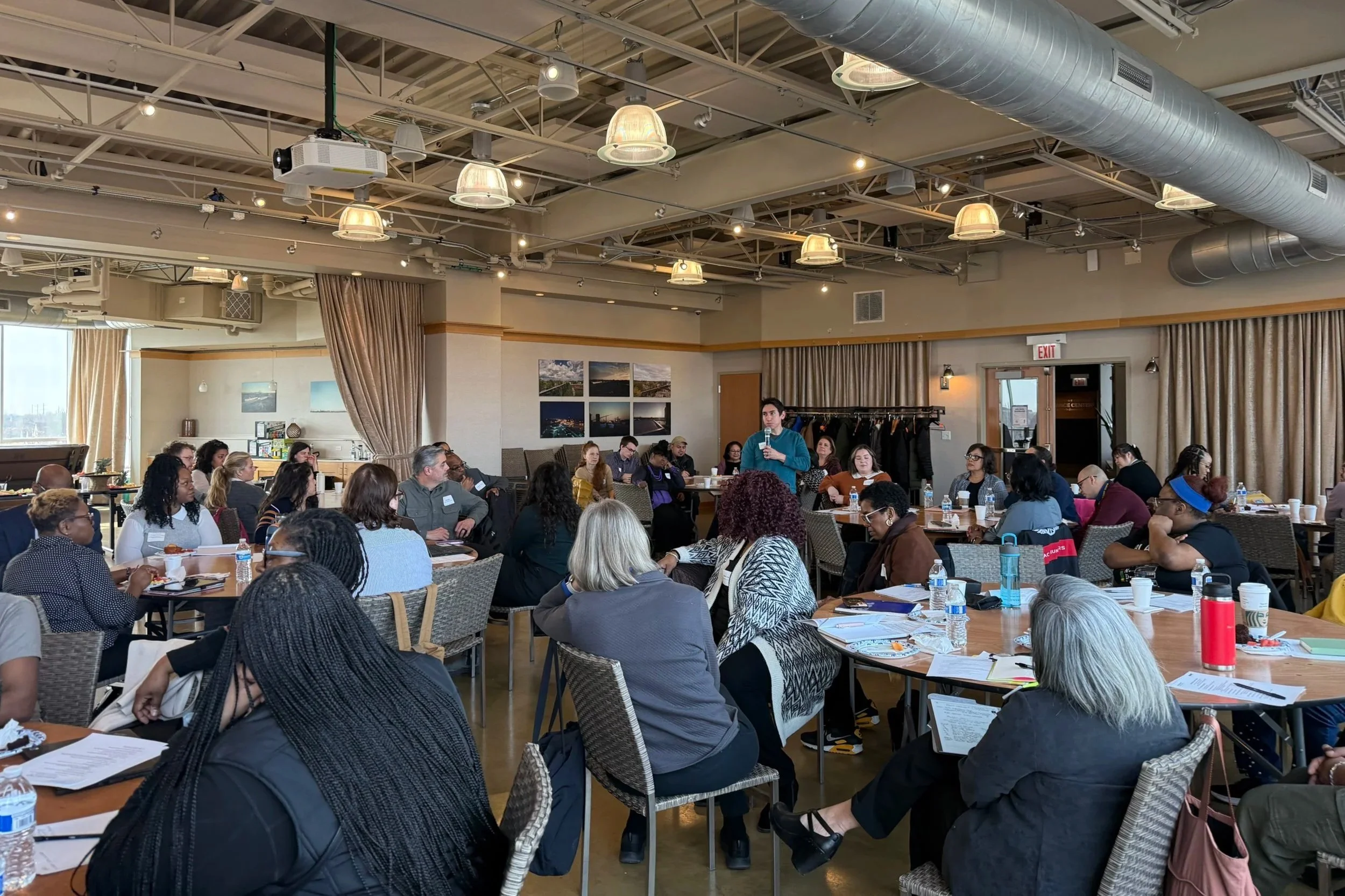
COLLAB Program Highlights:
By the Numbers
Over 18 months, the COLLAB Network convened 20 CBOs and provided $800,000 in subgrants, 11 trainings in program design and evaluation, and over 80 hours of technical assistance to support their growth and learning. The program also engaged 20 subject matter experts and 10 guest speakers, collected 1,411 community survey responses, and culminated in a showcase attended by 73 partners and community members, celebrating the cohort’s accomplishments. Program entrance and exit surveys showed a 12-percentage-point increase in participants who rated their program design and evaluation skills as advanced or expert. According to our social capital survey analysis, 80% of partner organizations reported more frequent communication, and each partner reported developing at least one new or strengthened relationship through the cohort.
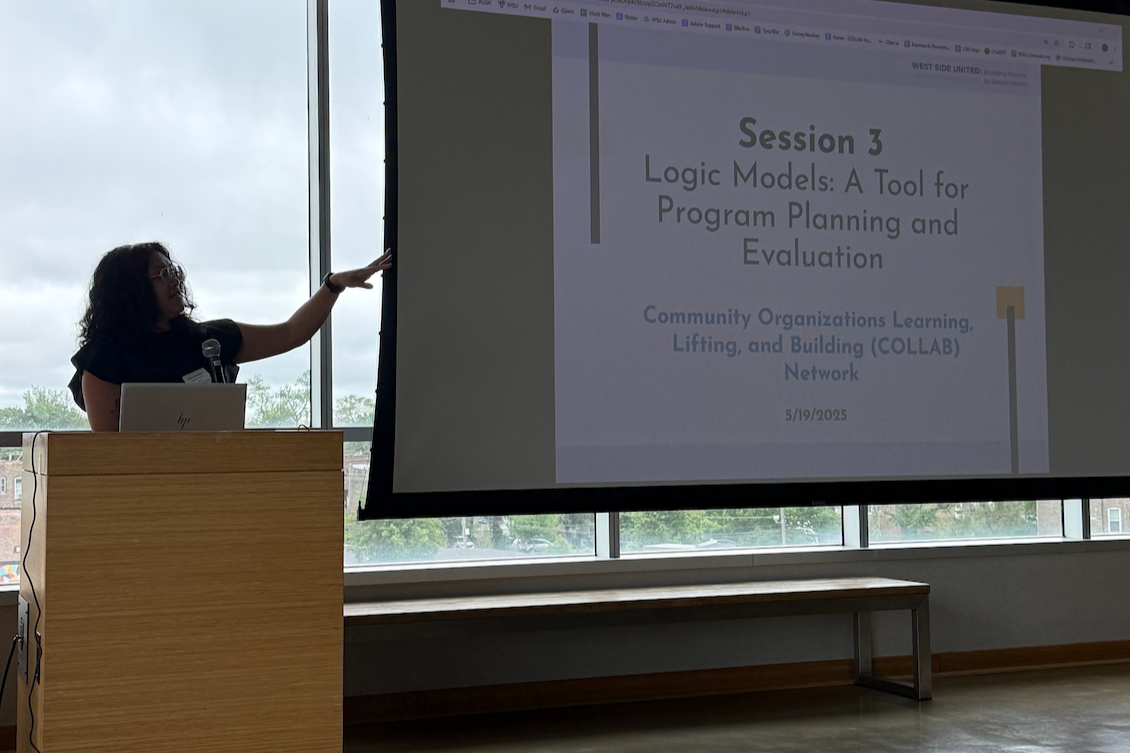
What We Learned:
The COLLAB Network White Paper
WSUC published a white paper documenting the design, implementation, impact, and lessons learned from COLLAB. Intended for CBOs, healthcare institutions, public agencies, community partners, funders, and others interested in health equity, the paper details the program components, significant impact data, lessons learned, and future recommendations, along with visuals, quotes, and showcase materials. Key findings highlight increased program design and evaluation skills and confidence, stronger relationships across the network, and shared community-level data on food access. Overall, the white paper tells the story of how COLLAB invested in the resources, relationships, and shared infrastructure that strengthen CBOs’ capacity to learn, collaborate, and address complex community health priorities collectively.
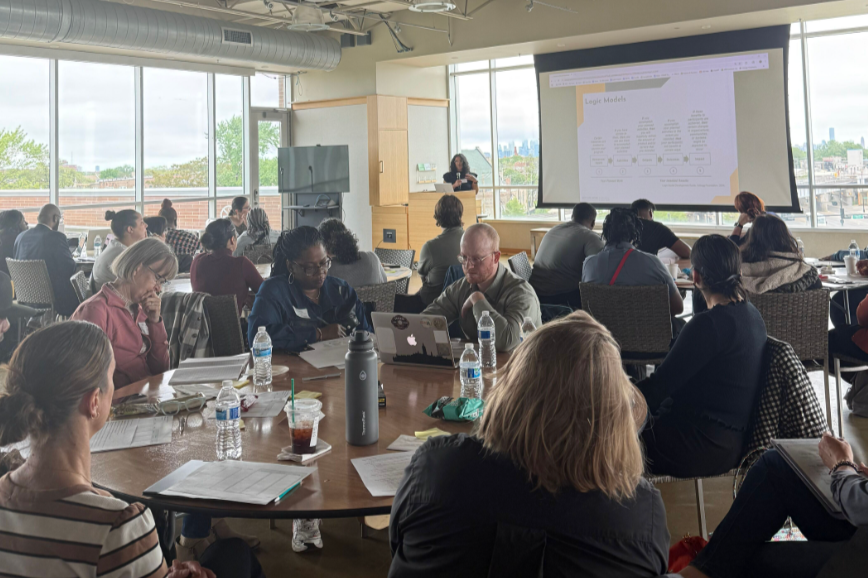
From Learning to Action:
The COLLAB Network Toolkit
In addition to the white paper, WSUC also produced a toolkit to sustain learning beyond the formal training program. The COLLAB toolkit collates actionable guidance, templates, and curated resources that translate evidence into functional tools organizations can use to support ongoing program design, implementation, and evaluation. Included in the toolkit are fillable PDF worksheets such as a logic model template, a data collection tracker, and a Gantt chart. The toolkit is meant to empower organizations and help them move from understanding to doing. It is intended to be used as a working document that CBOs can apply across programs and over time. Accompanying resources include a literature review of food access and nutrition best practices and effective interventions, as well as a survey bank.
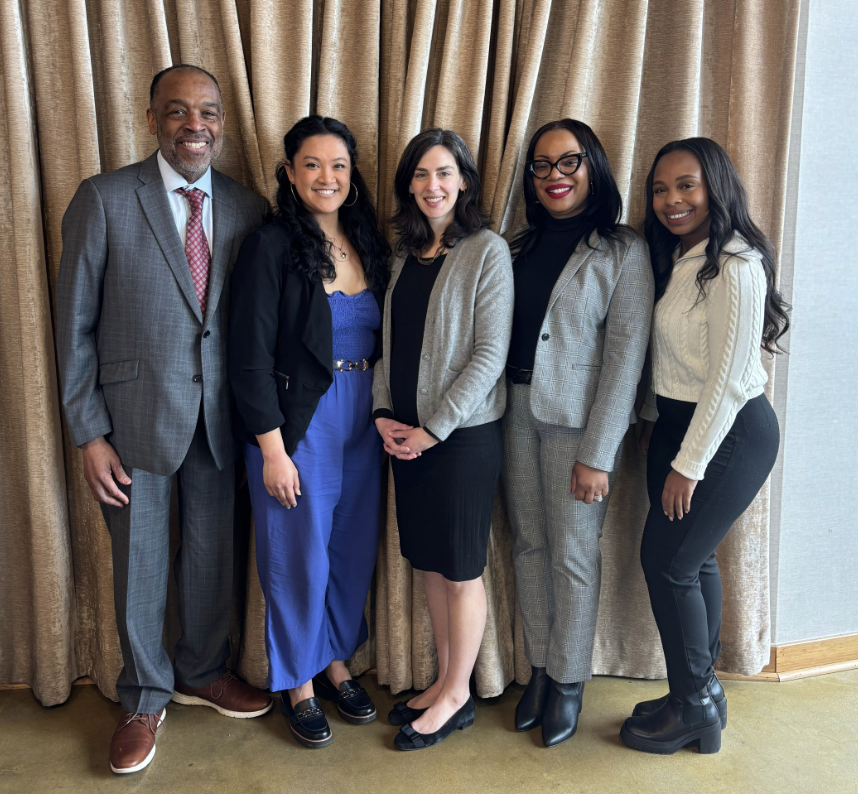
From left to right: the late Michael Floyd, Executive Director at Quest Diagnostics Foundation Programs; Elle Lynn Quimpo, Program Director at West Side United Chicago; Eve Shapiro, Senior Director of Programs and Evaluation at West Side United Chicago; Cynita Watson, former Senior Manager at Quest Diagnostics Foundation Programs; and Tyra Keeton, Program Manager at West Side United Chicago.
At WSUC, we believe that collaboration and shared learning are essential to advancing health equity. COLLAB demonstrated that sustainable capacity building requires a unique combination of flexible funding, applied learning, tailored support, shared evaluation, accessible resources, and strong relationships, connected through effective backbone coordination. By investing in organizations already doing critical work in their communities and sharing the lessons, tools, and resources developed along the way, COLLAB offers an adaptable approach to building more sustainable organizations, stronger partnerships, and healthier communities.